Foshan Deezon Windows and Doors Co.,Ltd.
language


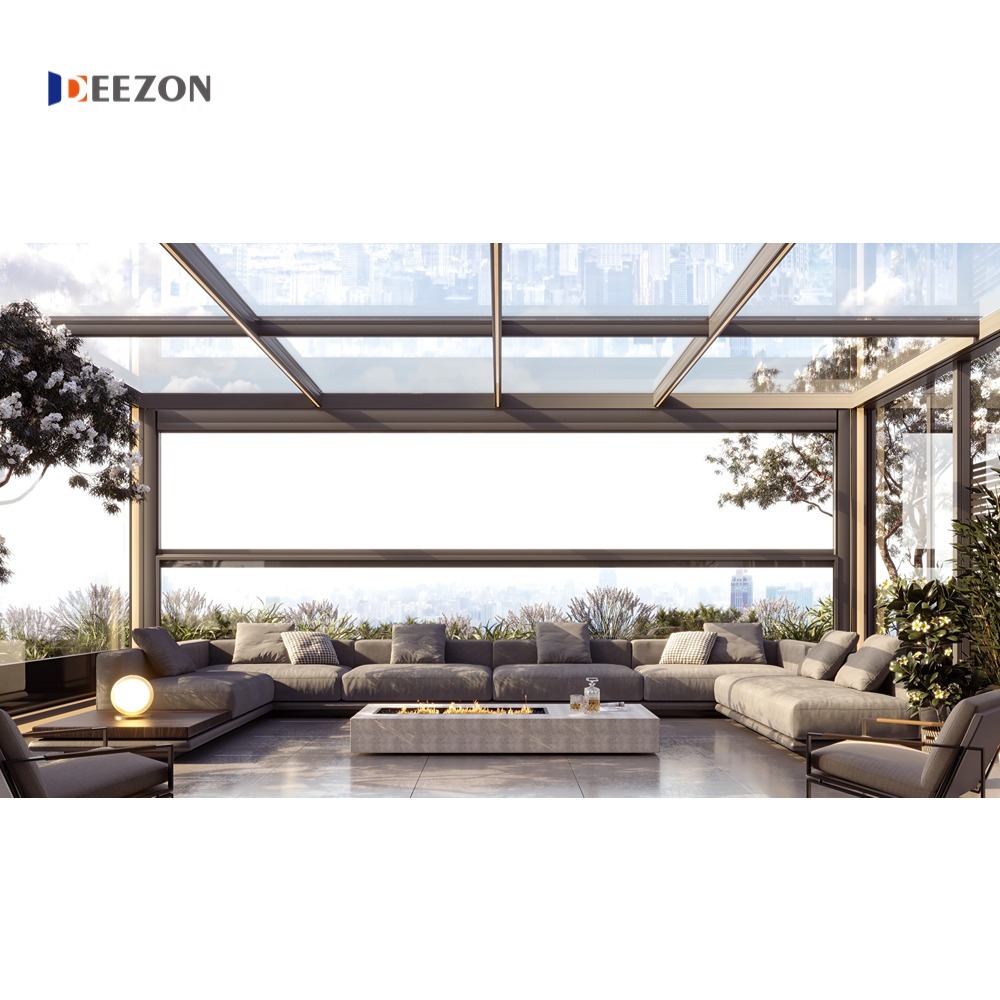
The Ultimate Guide to Free Standing Sunrooms: What You Need to Know
Mar 18,2026
The Ultimate Guide to Free Standing Sunrooms: What You Need to Know
Table of Contents
- 1. Introduction to Free Standing Sunrooms
- 2. Benefits of Free Standing Sunrooms
- 3. Key Design Considerations for Your Sunroom
- 4. The Installation Process
- 5. Maintenance Tips for Your Sunroom
- 6. Cost Considerations
- 7. Popular Free Standing Sunroom Designs
- 8. Frequently Asked Questions
- 9. Conclusion
1. Introduction to Free Standing Sunrooms
Free standing sunrooms, often regarded as a luxurious addition to any property, seamlessly merge the indoors with the outdoors. These structures allow homeowners to bask in the sunlight while being shielded from the elements. Unlike traditional attached sunrooms, free-standing versions provide flexibility in placement, enabling a unique outdoor space that can be situated anywhere on your property. This guide delves into everything you need to consider when contemplating a free-standing sunroom, from the myriad of benefits to installation and maintenance tips.
2. Benefits of Free Standing Sunrooms
Free standing sunrooms offer numerous advantages that elevate the appeal of any home. Here are some key benefits:
Enhanced Natural Light
One of the primary perks of a free-standing sunroom is the abundance of natural light it brings into your home. The extensive use of glass allows sunlight to flood the space, creating a warm, inviting atmosphere.
Versatile Usage
These structures are incredibly versatile and can be used for various purposes, such as a relaxation nook, an entertainment area, or even a home office. The adaptability of a free-standing sunroom allows homeowners to customize the space according to their needs.
Increased Property Value
Investing in a free-standing sunroom can significantly boost your property’s market value. Potential buyers are often attracted to homes with unique features, and a stylish sunroom can be a selling point.
Connection to Nature
A free-standing sunroom enhances your connection to the outdoors while providing protection from harsh weather. Enjoy the sights and sounds of your garden or backyard all year round, regardless of the season.
3. Key Design Considerations for Your Sunroom
When embarking on the journey of creating a free-standing sunroom, several design considerations must be taken into account to ensure that the structure complements your home and meets your functional needs.
3.1 Size and Location
Selecting the right size and location for your sunroom is crucial. Consider how much space you have available and how you plan to use the sunroom. It’s advisable to position your sunroom in a spot that receives ample sunlight throughout the day, ideally facing south or west.
3.2 Style Options
Free-standing sunrooms come in various architectural styles, from modern to rustic. The style you choose should harmonize with your existing home design. Whether you prefer a sleek glass box or a more traditional wooden structure, the options are plentiful.
3.3 Material Choices
Material selection plays a vital role in the durability and aesthetics of your sunroom. Common materials include:
- **Aluminum**: Lightweight and resistant to corrosion, aluminum frames are a popular choice for modern sunrooms.
- **Wood**: Provides a classic look but requires regular maintenance to prevent decay.
- **Vinyl**: Offers excellent insulation and is low-maintenance, making it a practical option for many homeowners.
4. The Installation Process
Installing a free-standing sunroom is a significant undertaking that requires careful planning. Here’s a brief overview of the installation process:
Planning and Permits
Before any construction begins, check local building codes and regulations. You may need to obtain permits depending on the size and location of your sunroom.
Foundation Preparation
A solid foundation is essential for any structure. Prepare the ground by leveling the area and laying a concrete or gravel foundation to ensure stability.
Framing and Glazing
Once the foundation is set, the framing of the sunroom will begin. This involves constructing the walls and roof framework, followed by installation of the glass panels.
Finishing Touches
After the main structure is erected, finishing touches such as flooring, insulation, and electrical work are added. Customization options like built-in shelving or window treatments can be incorporated at this stage as well.
5. Maintenance Tips for Your Sunroom
Maintaining your free-standing sunroom ensures its longevity and appeal. Here are some essential maintenance tips:
Regular Cleaning
Keeping the glass panels clean is vital for maximizing natural light. Use a gentle glass cleaner and soft cloth to avoid scratches.
Inspect for Damage
Regularly inspect your sunroom for signs of wear and tear, including leaks in the roof or cracks in the walls. Addressing these issues early can prevent more significant problems later.
Seasonal Care
Prepare your sunroom for seasonal changes. In colder months, consider insulating the space to maintain warmth. During the summer, ensure that ventilation is adequate to keep the room comfortable.
6. Cost Considerations
Understanding the costs associated with building a free-standing sunroom is crucial for budgeting. Factors influencing the overall cost include:
Size and Complexity
The larger and more complex the design, the higher the cost. Custom features and high-end materials will also drive up expenses.
Labor Costs
Hiring professionals for installation can be costly but may save you time and ensure proper construction. Consider whether you have the skills to DIY or if you’ll need a contractor.
Maintenance Expenses
Budget for ongoing maintenance costs, including cleaning, repairs, and potential upgrades to keep your sunroom in good condition.
7. Popular Free Standing Sunroom Designs
When designing a free-standing sunroom, numerous styles can suit different tastes and architectural preferences. Some popular designs include:
Contemporary Glass Box
Characterized by floor-to-ceiling glass panels and minimalistic design, the contemporary glass box sunroom offers a sleek and modern touch to any property.
Rustic Cottage
A rustic cottage-style sunroom employs natural wood materials and cozy furnishings, creating a warm and inviting atmosphere reminiscent of countryside charm.
Victorian Conservatory
Victorian-style sunrooms boast ornate details, including curved glass and decorative trim, making them a stunning addition for homeowners seeking elegance and sophistication.
8. Frequently Asked Questions
What is the average cost of a free-standing sunroom?
The average cost can vary significantly depending on size, materials, and labor, typically ranging from $10,000 to $50,000.
Do I need a permit to build a free-standing sunroom?
Yes, most regions require permits for construction. Check with local authorities to understand the specific requirements in your area.
Can I use my sunroom year-round?
With proper insulation and climate control systems, many homeowners can enjoy their sunrooms year-round.
How long does it take to build a free-standing sunroom?
The construction timeline can vary, but most sunrooms can be completed in a few weeks to a few months, depending on the complexity of the design.
What type of flooring is best for a sunroom?
Popular flooring options include tile, laminate, and vinyl, which all withstand humidity and are easy to clean.
9. Conclusion
A free-standing sunroom is an excellent investment that enhances your home's aesthetic and provides a functional space for relaxation and enjoyment. By considering the benefits, design options, installation process, and maintenance needs, you can create a sunroom that perfectly suits your lifestyle. Whether you seek a tranquil retreat or an eye-catching entertainment space, the right free-standing sunroom can transform your home into a sanctuary of light and comfort. Embrace the outdoors like never before and indulge in the beauty and tranquility that a free-standing sunroom brings to your life.
Get a Free Quote
We welcome you for any inquiries,tell us about your project to receive a no-obligation price quote
CONTACT US
Add:No.2 Tangtou Street, Shishan Road, Shishan Town, Nanhai District, Foshan, China.


